
HEBI Robotics Case Study
Heavy Duty Treaded Mobile Manipulator
A large oil and gas company needed to solve a problem: sampling potentially contaminated sediments in hazardous areas while minimizing risk to operators.
HEBI utilized our modular approach to robot development to not only rapidly develop a solution, but also provide a new robot platform applicable to a range of industries outside of oil and gas.
Download this case study
or continue reading below.
The Opportunity
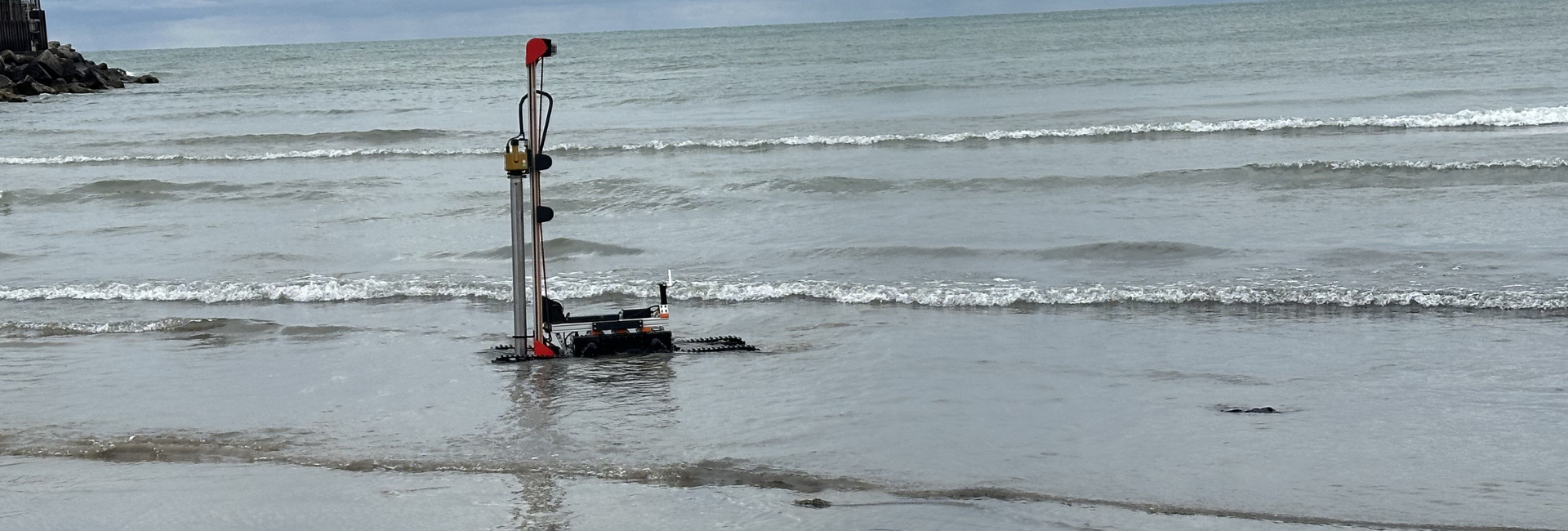
In 2024, a client in the oil and gas industry reached out to HEBI Robotics to help them solve a problem: sampling potentially contaminated soils and sands in hazardous areas. Traditional methods rely on highly specialized training and labor intensive equipment to minimize the risk to humans responsible for taking these core samples. Creating a system that could sample sediments in riparian zones and other shorefronts while allowing operators to stay safely back meant overcoming a series of challenges. These challenges included being able to carry complex sampling equipment through rocky, sandy, and muddy terrain submerged in water and deploying a weighty–and cumbersome–payload.
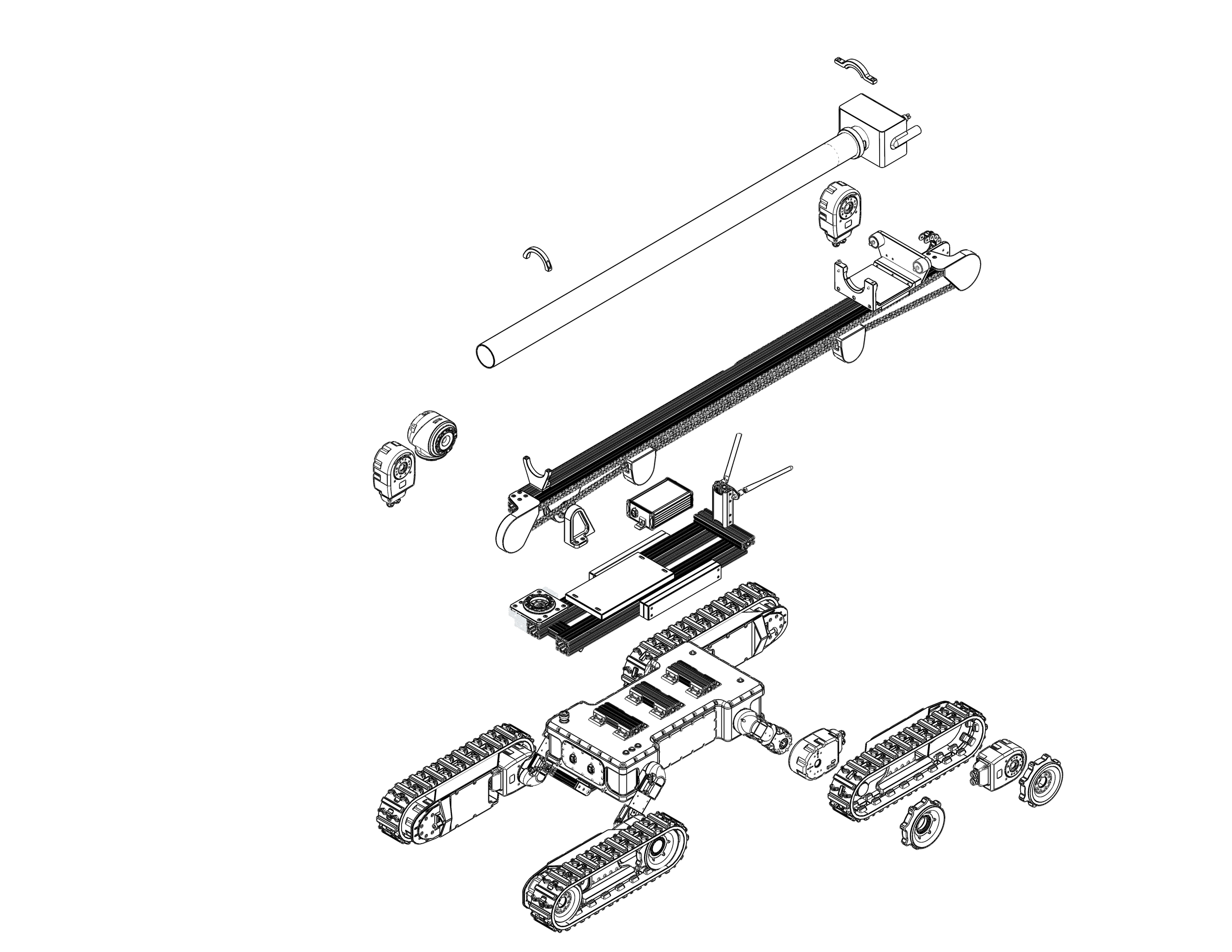
The Process
With scalable architecture and prior robot mobility experience with the ‘Tready’ platform, HEBI was uniquely positioned to deliver a treaded mobile core sampling robot.
Originally developed for a customer in Asia seeking all-terrain capability for landslide inspection, Tready proved popular with companies looking for a flexible mobile manipulator— particularly with oil and gas companies focused on reconfigurable soil testing and sampling equipment. HEBI scaled up the design to create the all-new ‘Treadward’ mobile robot. This much larger design necessitated the development of a new Actuator series: the R-Series® R25. The R25 actuator leveraged technology from the T-Series® T25 allowing HEBI to rapidly produce the new sealed actuator to support the upgraded mobile platform.
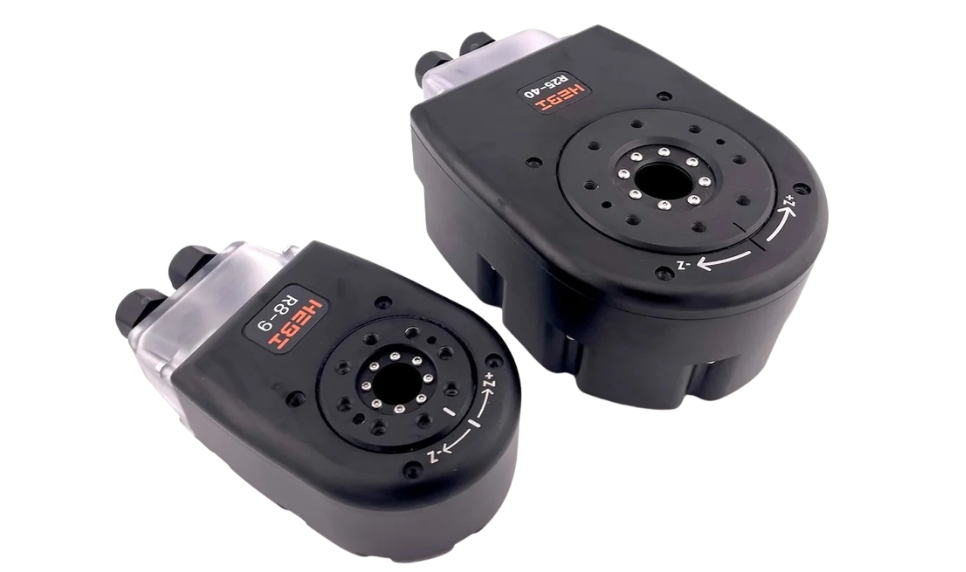
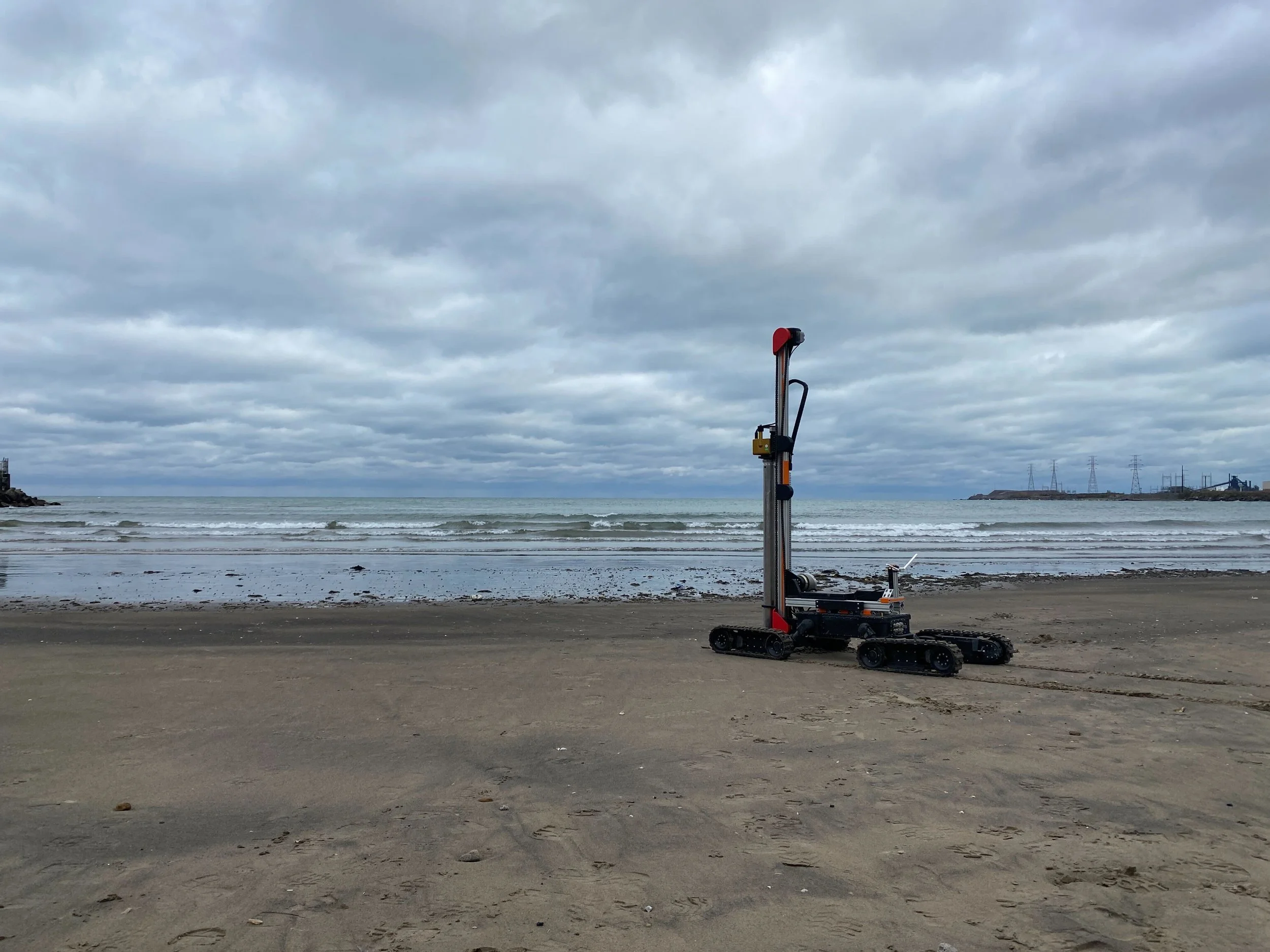
From project kickoff to testing, the new ‘Treadward’ platform and R25 actuator took only 2 months of development. Additions of a sample retrieval rig— utilizing SDI’s Vibecore Mini sampling tool with a HEBI-developed deployment system—and further testing were completed in a further two months. This sampling system necessitated raising a mast upwards of 8 feet in the air with the 12-pound vibracore sampler perched at the end. To provide the power needed, HEBI’s powerful H-Series® actuator was added to raise and lower the sampling system.
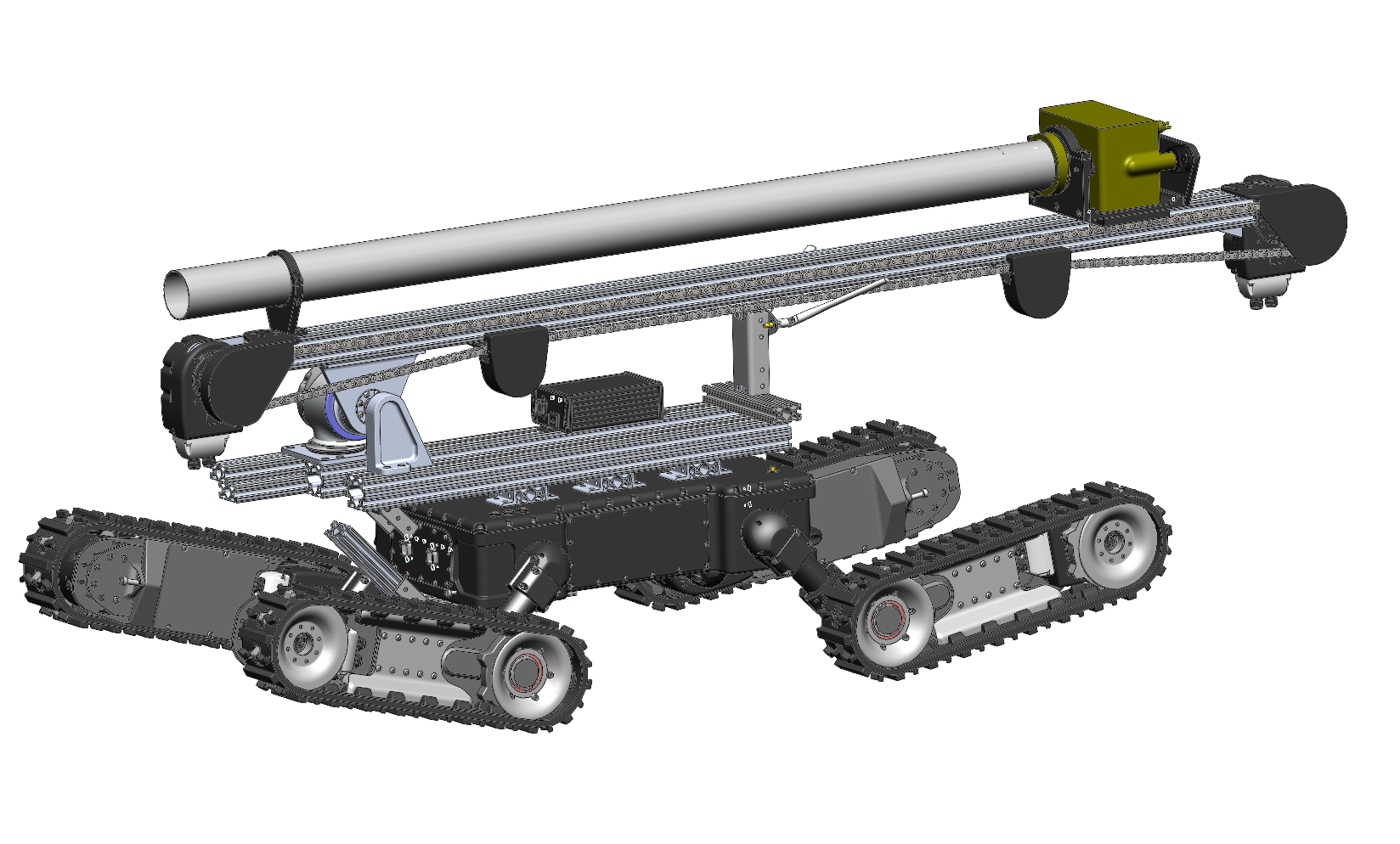
The Result
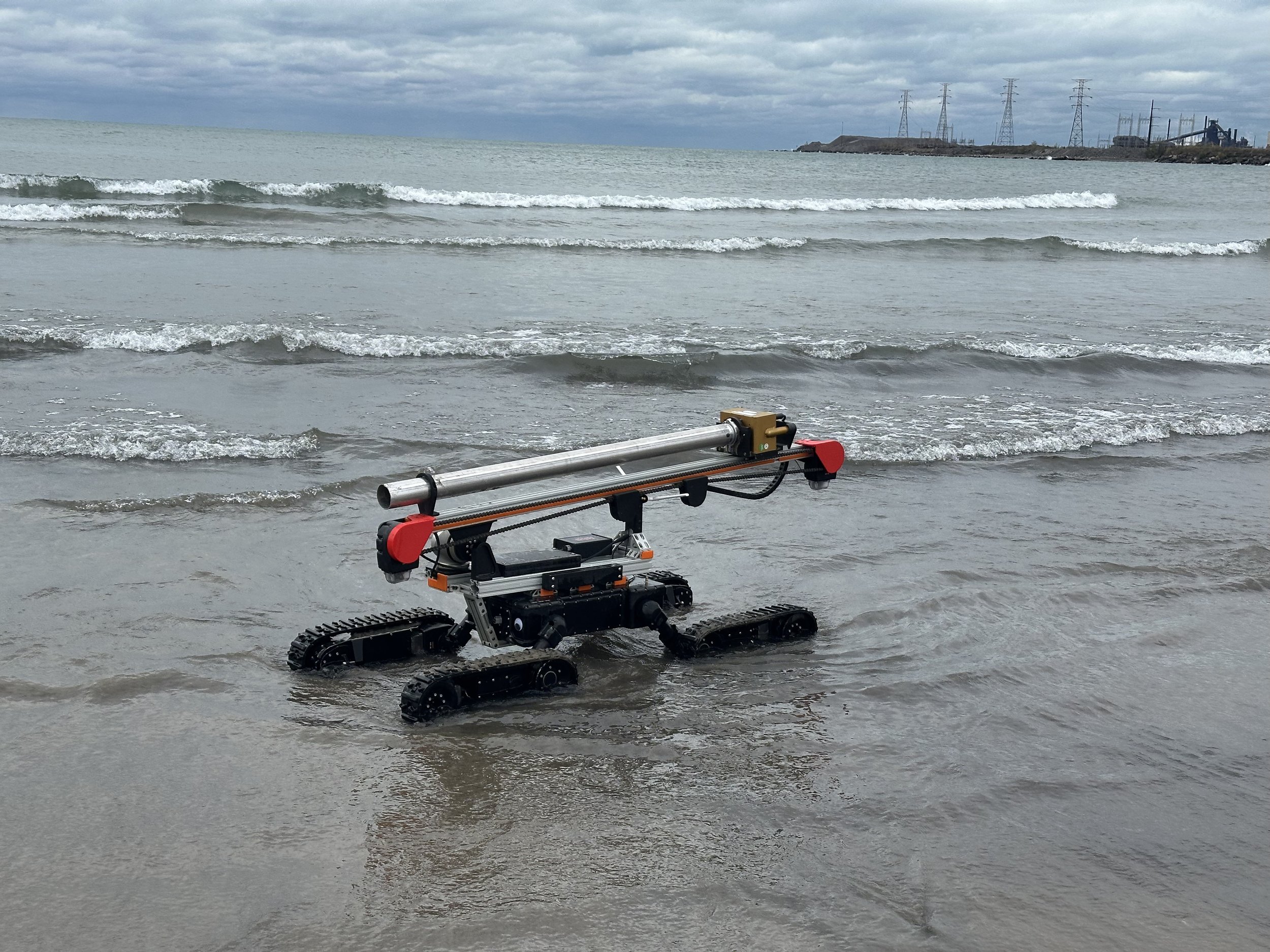
Within a scant six months, the ‘Treadward’ platform and sampling rig were completed and deployed in a final demonstration at the shores of Lake Michigan. With minimal training, and operating from a safe zone away from the water, operators successfully deployed ‘Treadward’ and its sampling platform to obtain sediment samples from the water’s edge and bring them back to the safe zone.
Projected cost savings of operating HEBI’s robotic platform for sediment sampling is significant. A single soil or sediment sampling project using traditional methods can easily run into the tens of thousands of dollar range, while hazard training or equipment rentals, such as barges to operate in shallow water, can add significantly to this cost.
HEBI’s proven rapid approach to robot development meant the client was able to quickly receive a field-tested proof of concept and advance their ability to keep humans out of harm’s way while maintaining their mission of creating a cleaner environment.
The Treadward mobile platform has applications not only in the oil and gas industry, but other industries seeking a mobile platform to deploy payloads including manufacturing, forestry, environmental testing, and beyond.